

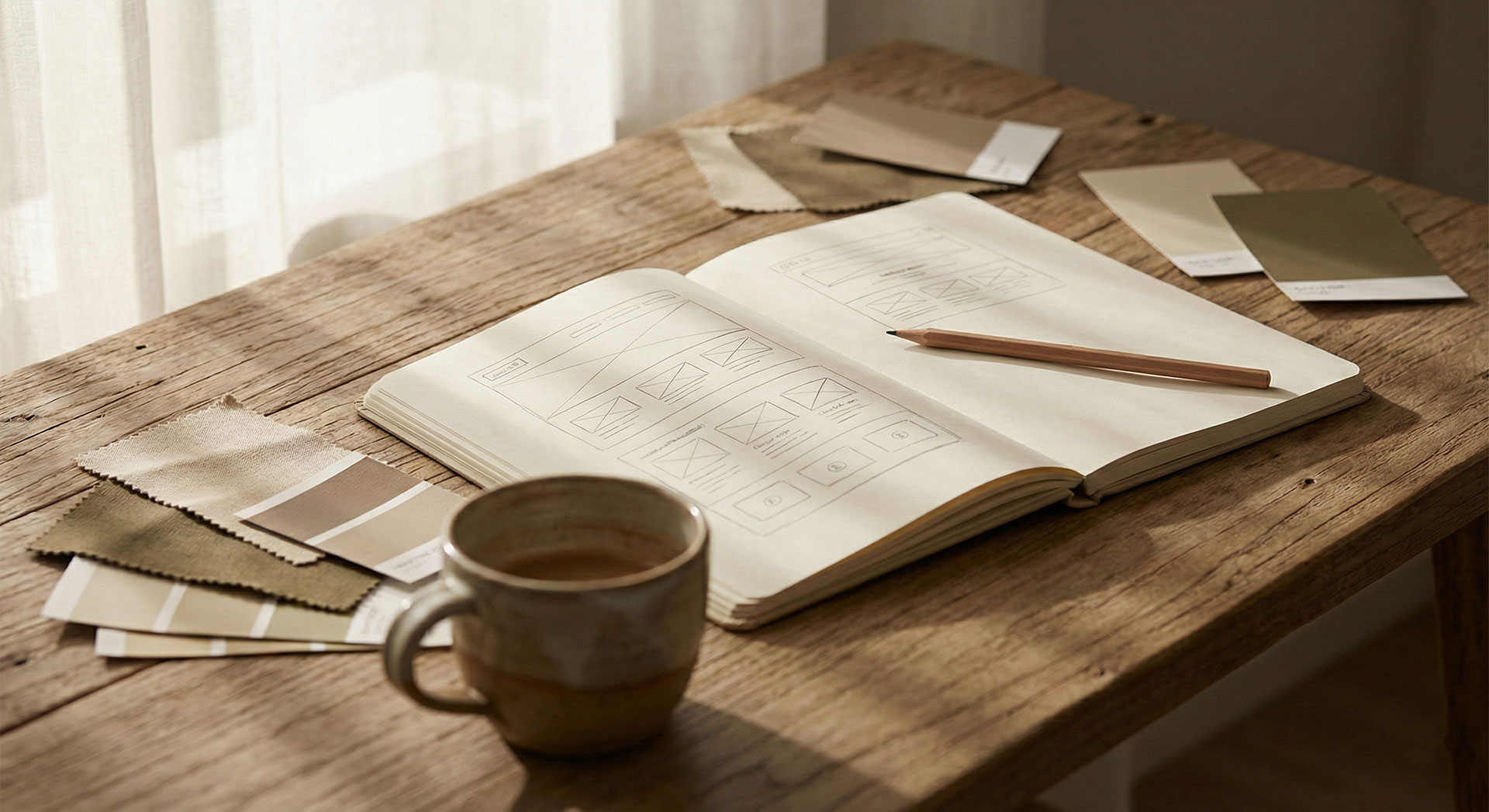
In a world built for speed and noise, intentional design brings clarity, trust, and meaning back into the way we create digital experiences, from brands to products to everyday interfaces.
Introduction
I still remember the first time I truly felt the absence of design.
I was using a product, a website, actually that looked reasonably good at first glance. But the more I clicked around, the more confused I became. Navigation felt arbitrary. The messaging echoed buzzwords, but didn’t really say anything. And somewhere between one section and the next, I stopped feeling like a human and started feeling like just another task to be completed.
That moment stuck with me.
It wasn’t a failure of aesthetics, it was a failure of intention.
Design has become abundant. But intentional design?
That’s rare
And today with so much competition for attention and so many products vying for space in people’s lives intentional design is no longer a luxury. It’s becoming a differentiator, a way of shaping not just how things look, but how they feel and how they connect.
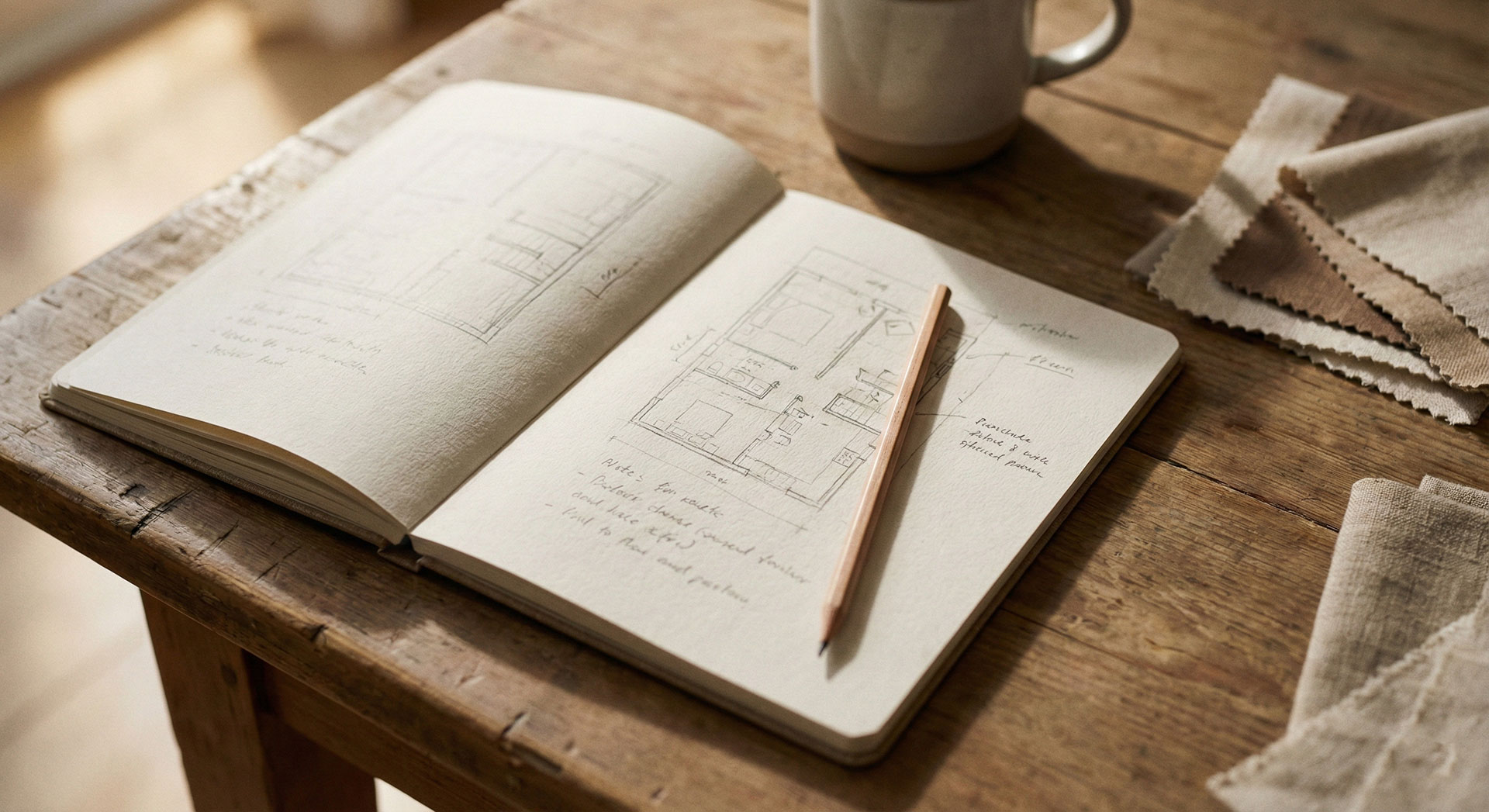
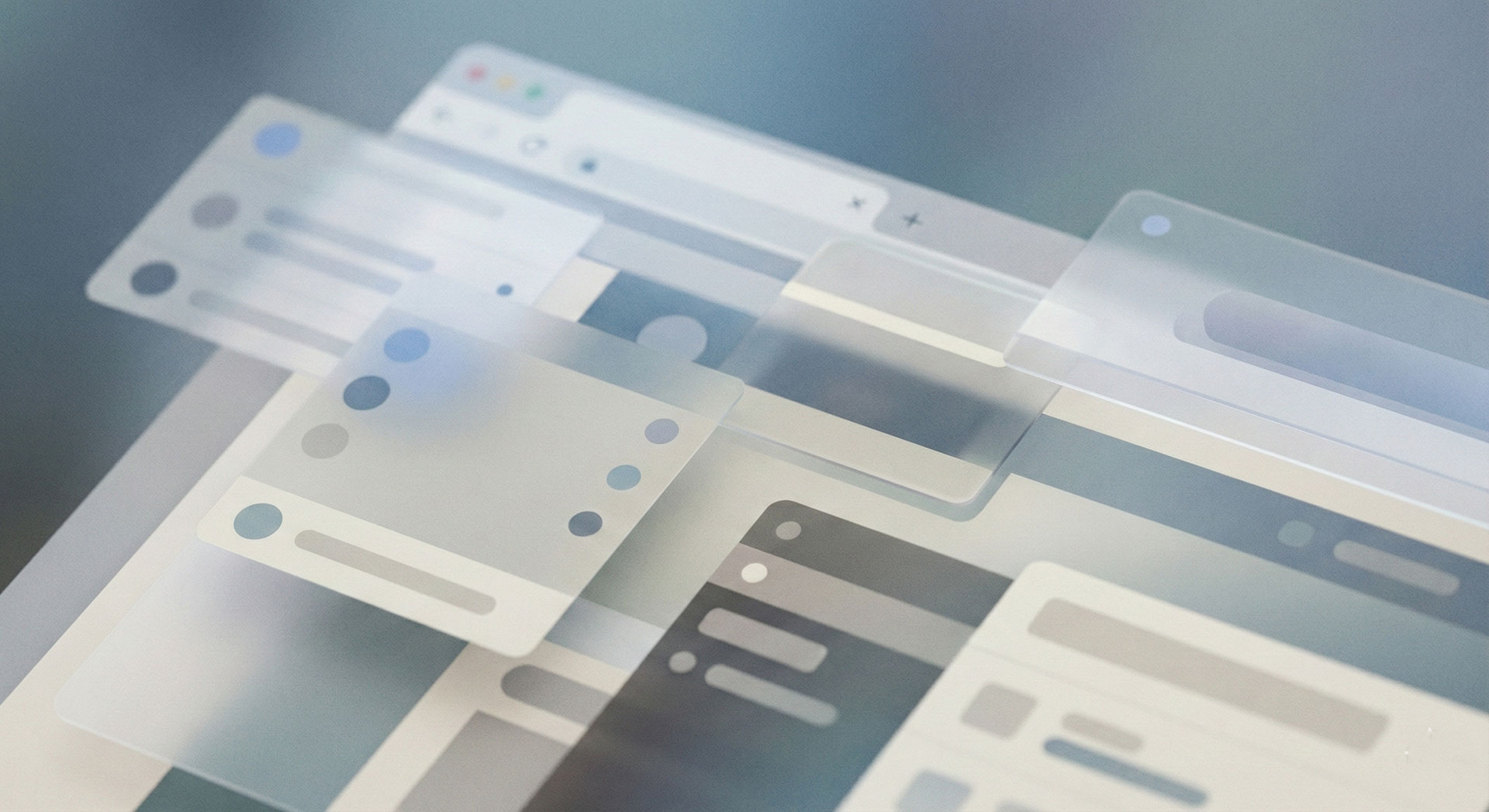
Why Speed and Noise Became the Default
Over the past decade, much of the digital landscape has been shaped by urgency:
- Launch faster
- Ship features quickly
- Iterate relentlessly
- Optimize for clicks
- Maximize conversions
There’s nothing inherently wrong with moving quickly, but when speed becomes the priority, emotional resonance and human understanding often take a back seat.
Too many products focus on what should work, rather than why it should matter.
When that happens, experiences become:
- Transactional instead of relational
- Confusing instead of intuitive
- Distracting instead of grounded
And users… they feel it.
What Intentional Design Really Means
Intentional design is not minimalism for the sake of trend. It’s not simple just to be “clean.” It’s not just a pretty facade.
Intentional design is about purposeful choice.
Each decision from typography to interaction to spacing to microcopy asks:
- Why is this here?
- What feeling should this evoke?
- How does this support the person using it?
- Is this helping the experience or hurting it?
Intentional design creates experiences that:
- feel calm instead of cluttered
- guide without overwhelming
- invite trust, not skepticism
- create meaning, not just metrics
It’s design that listens before it speaks.
A Story of Two Experiences
Let me tell you about two real moments that taught me more about intention than any textbook ever could.
1. The Website That Felt Like a Maze
I once visited a beautifully styled homepage that…
immediately confused me.
Buttons led to unclear actions. Headlines didn’t answer the question I had in mind. I spent minutes trying to find the thing I thought would be simple.
Visually it was clean but emotionally it was lost.
2. The App That Felt Like Home
Contrast that with a modest productivity app I used recently.
It wasn’t flashy. It didn’t have parallax scrolling or fancy animation. But at every step, I knew where I was, what was expected of me, and why I was there.
That experience didn’t just work,
it felt good.
Both experiences had design but only one had intention.
How Intentional Design Changes Things
Intentional design doesn’t just improve usability. It reshapes the way people feel about a brand or product.
It builds trust
When users feel understood, they trust more deeply and they stay longer.
It reduces anxiety
A calm, guided journey removes hesitation and friction.
It respects attention
Thoughtful hierarchy and restrained aesthetics communicate value.
It shapes perception
Emotion influences decisions as much as logic, often more.
What It Looks Like in Practice
Intentional design shows up everywhere:
- a headline that speaks to why someone came — not just what the product does
- microcopy that feels human instead of templated
- visual rhythm that guides rather than distracts
- space that breathes, not crowds
- paths that feel easy before they are easy
In other words:
Intentional design feels felt, not forced.
My Approach at The Subtle Pixel Studio
At The Subtle Pixel Studio, intentional design isn’t a phase.
It’s the starting point.
Every project begins with something simple: listening.
I don’t begin with pixels, I begin with presence
- Who are you?
- What feels unfinished?
- What story are you trying to tell?
- What emotions should your audience feel?
From there, strategy becomes a compass, not a checklist. Design becomes a conversation, not a decoration.
And the final product feels like more than a solution, it feels right.
A Reflection for You
If you’ve ever felt that:
- your website doesn’t feel like your business
- your product feels confusing rather than helpful
- your visual identity is loud but hollow
- your users leave before they connect
…it might not be a problem with execution.
It might be a problem with intention.
Sometimes the difference between an experience that works and one that matters comes down to a few small decisions, made with generosity, empathy, and quiet care.
Conclusion
In an age of urgency and distraction, intentional design matters more than ever.
Not because it’s a trend, but because it honors the human on the other side of the screen
Design that feels intentional doesn’t just get clicks. It inspires calm, builds trust, and creates connection.
And that, in a world full of noise is everything.